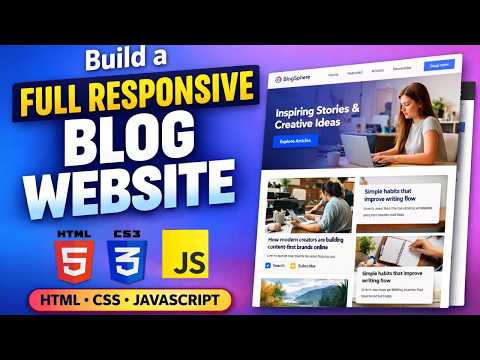
Professional Web Design Strategies for Modern Business Growth
In the digital-first economy, your website serves as the primary storefront, brochure, and salesperson for your brand. Effective web design is no longer just about making a site look visually appealing; it is about creating a functional ecosystem that drives engagement, establishes credibility, and converts visitors into loyal clients. At https://steamrolltech.com, we believe that design should always serve the underlying business objectives of your organization.
Whether you are a startup looking to make a splash or an established enterprise needing a digital refresh, understanding the principles of professional web design is essential. This guide covers how to approach, implement, and maintain a high-performing website that stands out in a crowded market.
Understanding the Core Pillars of Web Design
At the center of high-quality web design are several foundational elements that define the user experience. User Interface (UI) design focuses on the aesthetic appeal, including color palettes, typography, and spacing, while User Experience (UX) design prioritizes how easily a user can navigate the site to find what they need. Balancing these two elements ensures that your visitors stay longer and interact more deeply with your content.
Modern design also demands accessibility and mobile responsiveness. With more traffic originating from smartphones and tablets than ever before, a “mobile-first” approach is no longer optional. A well-designed site should automatically adjust its layout to fit any screen size, ensuring that text remains readable, images are optimized for speed, and interactive buttons are easy to touch, regardless of the device in use.
Key Features of Modern, Performance-Driven Websites
Functionality keeps users invested, while aesthetic design draws them in. A robust web design strategy integrates features that reduce friction in the user journey. Below are some of the most important components that every business should integrate into their project planning:
- Clear Calls to Action (CTAs): Directing users toward specific goals like “Contact Us,” “Get a Quote,” or “Subscribe.”
- Fast Loading Speeds: Optimizing code and assets to ensure the page renders in under three seconds.
- Intuitive Navigation Menus: Organizing information into a hierarchical structure that is logical and predictable.
- Search Engine Optimization (SEO) Architecture: Building the site with header tags, meta descriptions, and clean URL structures to ensure visibility on search engine result pages.
The Business Benefits of Professional Design
Investing in custom web design yields significant returns in terms of brand authority and customer retention. When a website looks professional, it signals to potential customers that your business is trustworthy, stable, and detail-oriented. A cluttered or outdated design, conversely, can lead visitors to question the reliability of your services, often driving them directly into the hands of a competitor.
Beyond perception, effective design aids in lead generation and sales automation. By incorporating strategic forms, gated content, and well-placed testimonials, a website becomes a machine that collects data and nurtures prospects through your sales funnel. This transforms your digital presence from a static business card into a dynamic asset that actively contributes to your bottom line.
Comparing DIY Tools vs. Professional Services
Business owners often face the dilemma of whether to use a drag-and-drop website builder or hire professional developers. While DIY platforms offer a quick setup and lower initial costs, they often struggle with scalability, customization, and long-term security. The following table provides a quick comparison to help you decide which path aligns with your current business needs.
| Consideration | DIY Website Builders | Professional Web Design |
|---|---|---|
| Customization | Limited to pre-made templates | Virtually unlimited and unique |
| Scalability | Difficult for complex features | Highly scalable and modular |
| SEO Capabilities | Basic, often restricted | Advanced, granular optimization |
| Investment | Low upfront, higher monthly | Higher upfront, high long-term ROI |
Managing Workflow, Integration, and Scalability
A website rarely exists in a vacuum. It often needs to talk to your CRM, email marketing platforms, payment gateways, and analytical tools. A professional web design approach focuses on seamless integration. By leveraging robust APIs and clean code, your website can pull data from these tools to automate workflows, such as updating your inventory or syncing new contacts into your mailing lists.
Scalability is equally vital for growth-stage businesses. As your traffic grows and your product offerings expand, your website infrastructure must be prepared to handle increased user activity without crashes. Choosing a flexible tech stack ensures you can add new pages, integrate emerging marketing software, and update security protocols without having to overhaul your entire site every two years.
Security and Reliability: The Unseen Foundation
Users in the United States and global markets are increasingly aware of online safety. Security is a massive component of modern web design; it encompasses everything from SSL certificate management to protecting databases against intrusion. Demonstrating that your site is secure builds the foundational trust required to turn a lead into a paid client.
Reliability refers not just to uptime, but to the consistency of the user experience. A reliable site ensures that all internal links function, contact forms deliver emails successfully, and the mobile experience remains bug-free. Maintenance routines, including regular updates to plugins and software themes, prevent the “technical debt” that often plagues neglected websites over time.
Choosing the Best Path for Your Business Needs
Before beginning your next web design project, it is essential to define what “success” looks like for your organization. Is your primary goal to generate leads, sell products directly through an e-commerce interface, or simply provide informational content to potential clients? Identifying your specific use cases will heavily influence the design choices, hosting requirements, and overall budget allocation.
Think about the long-term support you will need after the site goes live. Regular content updates, performance audits, and security monitoring are just as important as the initial build. By partnering with a team that understands your unique business goals, you ensure that your web design evolves alongside your company, providing consistent value for years to come.